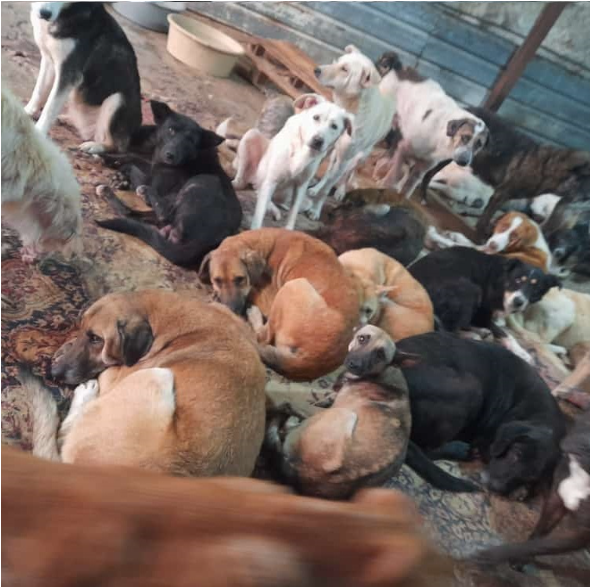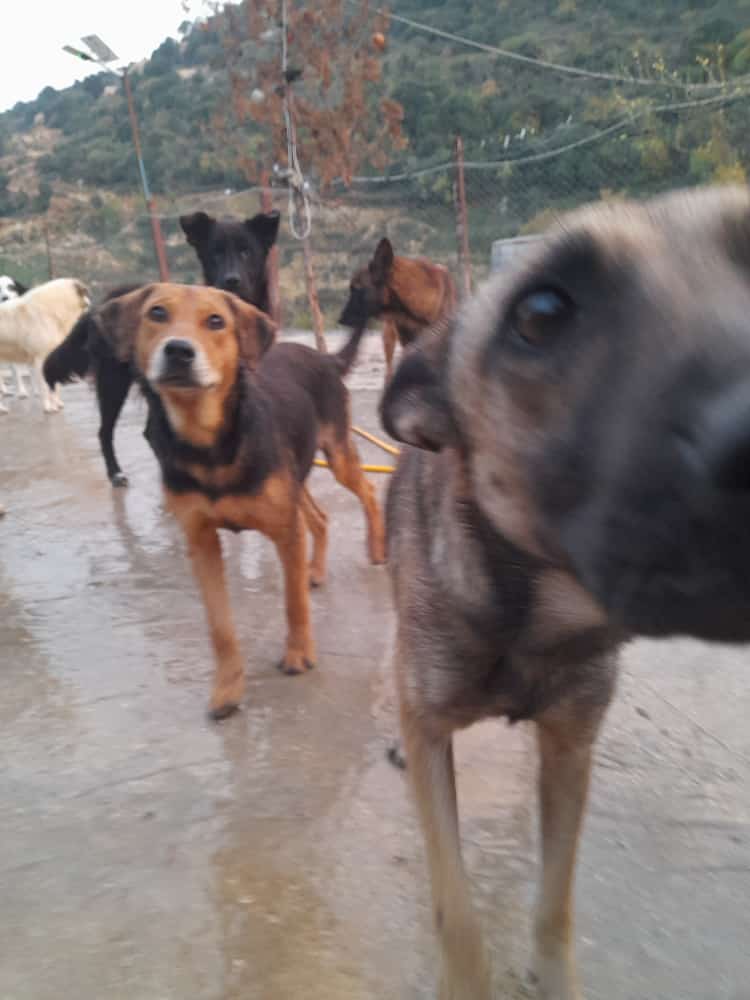

Running a no-kill dog shelter in a developing country
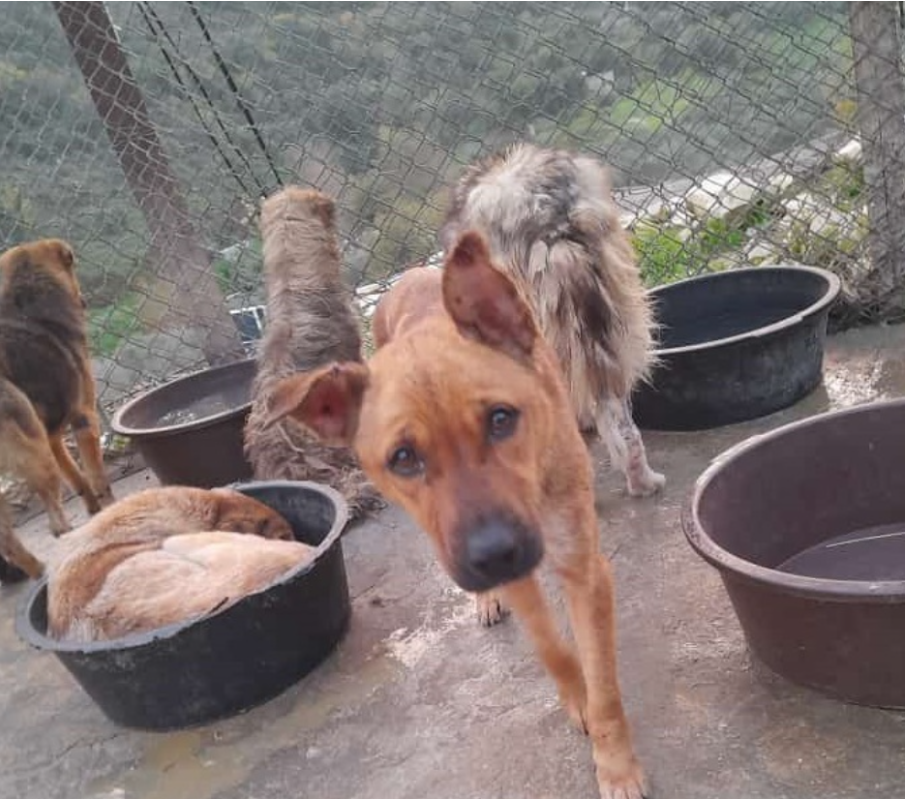
Running a no-kill dog shelter in a developing country demands passion, resilience, and a multifaceted approach. Beyond the challenges posed by limited resources, cultural perceptions, and infrastructure, it requires dedication to saving and improving the lives of these animals.
Balancing available funding with shelter needs
In such settings, funding is a significant hurdle. Leveraging community engagement, partnerships with local businesses, and international aid becomes crucial. Balancing limited financial resources with the relentless influx of animals often requires creative solutions. Volunteer networks and dedicated staff who are deeply committed to the cause are the backbone of such shelters.
Creating cultural awareness about animal protection
Creating awareness and altering cultural perceptions about animal welfare is an ongoing battle. Education programs, outreach initiatives, and collaboration with local authorities help address these deep-rooted issues. It involves instilling the value of responsible pet ownership, spaying and neutering, and the significance of adoption.
Providing essentials within limited means
Providing medical care, food, and shelter within limited means is a perpetual challenge. Collaboration with veterinarians and access to low-cost medical supplies are vital. Moreover, building and maintaining adequate facilities, sometimes with limited space, demands efficient use of resources.
A substantial emotional toll
The emotional toll is substantial. Witnessing neglect and abuse can be draining, emphasizing the need for strong emotional support for staff and volunteers.
Conclusion
In essence, running a no-kill shelter in a developing country necessitates an amalgamation of resourcefulness, compassion, community involvement, and unwavering dedication to creating a better world for the voiceless.